Blog
Stories from the AVIS Lab: the projects we’re running now, the ones we’ve finished, and the papers that came out of them. Each post covers what we set out to do, who funded and partnered with us, and where the work stands.
Running now: PlantPhenoBot (robotic plant phenotyping with Gazipur Agricultural University) · Explainable AI for histological cancer detection (MOST-funded, with Bangladesh Medical University) · Offline goal-conditioned RL · VLM-driven UAV navigation
Click a tag such as ongoing, completed, or publication to filter the posts.
2026
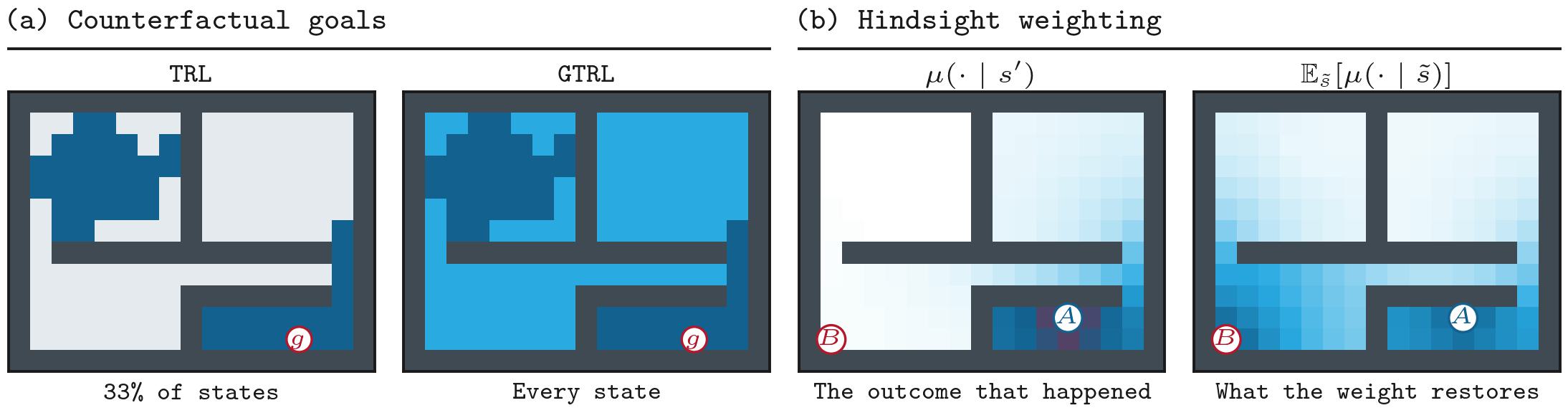
Can an agent learn to reach any goal, across long horizons, using nothing but a fixed dataset of past experience? That is the question behind our newest line of work in offline goal-conditioned reinforcement learning (GCRL). In September 2026 we released two preprints on it.
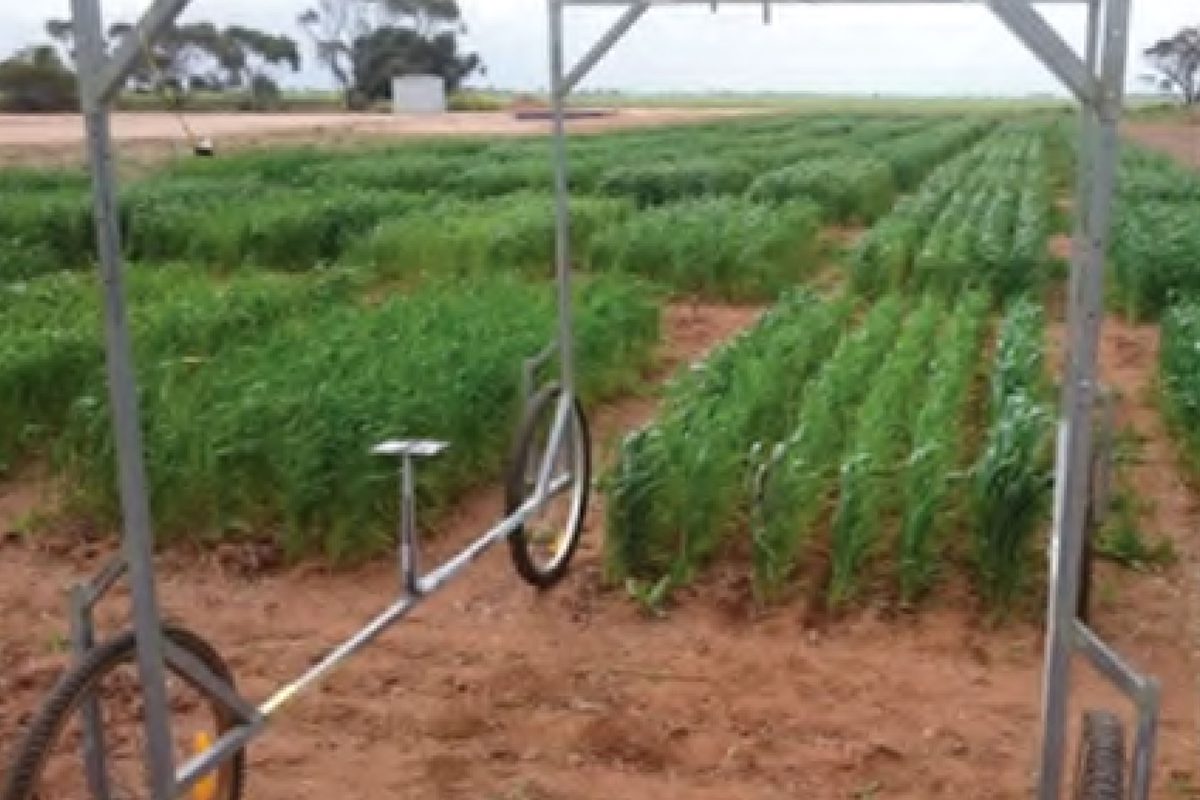
PlantPhenoBot is the lab’s newest funded project. It is a robotics project for plant phenotyping, the measurement of plant traits such as growth, architecture, and stress response. The project began in May 2026 under a UGC–DU research grant, in collaboration with Gazipur Agricultural University.

Our paper Thinking Like a Botanist: Challenging Multimodal Language Models with Intent-Driven Chain-of-Inquiry is published in Findings of the Association for Computational Linguistics: ACL 2026. It introduces PlantInquiryVQA, a benchmark that asks whether multimodal AI can reason about a plant the way an expert does, one targeted question at a time.
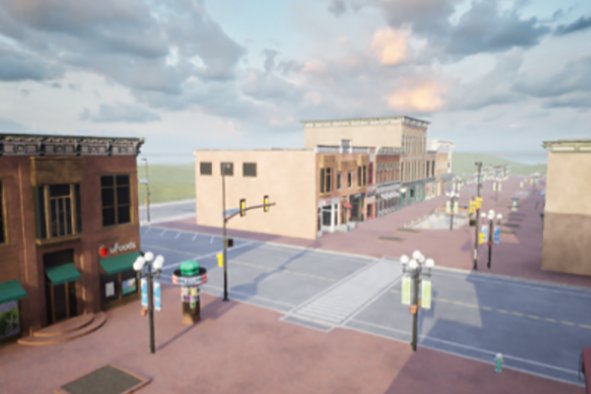
Most autonomous drones avoid obstacles with expensive sensors, a prebuilt map, or both. Our UAV research asks how far a drone can get with a single monocular camera and a vision-language model (VLM) that reasons about what it sees. The first answer, VLM-Nav, was published in PLOS One in April 2026. A sim-to-real follow-up is now available as a preprint.
2025
Deep learning can now classify microscopic tissue images with high accuracy, but pathologists rarely trust a model that cannot show why it reached a decision. This project builds cancer-detection models that are both accurate and interpretable. It is funded by the Ministry of Science and Technology (MOST) and runs in collaboration with Bangladesh Medical University (BMU).
2024
Between May 2024 and August 2025, Dr. Md Mehedi Hasan was part of the Inter-University Robotics and Hackathon Competition, an ICT-funded project bringing robotics students from different universities together.
2023
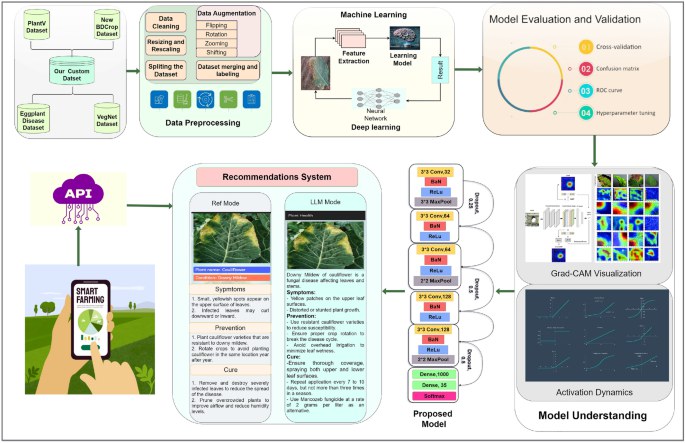
Plant diseases cut yields and threaten food security, and in many places farmers spot them only once the damage is visible across a field. SmartPDE set out to use deep learning not only to recognize plant diseases but to model how they spread and to forecast outbreaks, so that farmers can act earlier.
Infectious diseases spread fastest where people are in close contact, and hospitals are among those places. IHABOT2 was a robotics project to develop a teleoperated, intelligent hospital-assistance robot. Its aim was to help fight contagion by reducing how often doctors must be in direct contact with patients.
2022
Neurodegenerative diseases such as Alzheimer’s are hard to detect early, when intervention helps most. This MOST-funded project investigated deep-learning-driven, automated diagnosis of neurodegenerative diseases using image memorability, a measurable property of how well images are remembered.